Professional teams increasingly plan travel, training times and accommodation around sleep. The shift happened because sleep is the period during which most restorative processes occur, and it cannot be substituted.
Restoration is concentrated in sleep
Several processes associated with tissue repair and consolidation of learned movement occur predominantly during sleep. Waking rest does not produce the same effects.
Because the processes are tied to sleep stages rather than to time lying down, both duration and quality matter. Fragmented sleep delivers less restoration than the same hours uninterrupted.
This makes sleep a resource with limited substitutes. Additional physiotherapy or nutrition cannot compensate for a substantial shortfall.
Competition schedules work against it
Evening fixtures end late, and the physiological arousal of competition takes hours to subside. Athletes commonly find it difficult to sleep soon after playing.
Travel compounds the problem, particularly when departure follows a match directly. Arrival in the early hours truncates the available window at both ends.
Crossing time zones shifts the internal clock out of alignment with local schedules. Realignment takes roughly a day per time zone, which often exceeds the trip length.
What sleep loss actually affects
Reaction time and sustained attention decline noticeably with restricted sleep, and decision-making under pressure is affected before maximal strength is.
Mood and perceived exertion also shift, so identical training feels harder. Athletes may therefore reduce effort without recognising why.
Accumulated restriction over several nights produces effects larger than a single poor night. The deficit builds rather than resetting each morning.
How organisations intervene
Practical measures target the schedule first, delaying morning sessions after evening fixtures and arranging travel to protect the overnight period where possible.
Environmental control follows, including consistent accommodation standards, room temperature and light management. Some teams transport familiar bedding on long trips.
Education addresses behaviour around light exposure and stimulant use in the hours before sleep, since both delay the onset of sleepiness.
Where measurement helps and where it does not
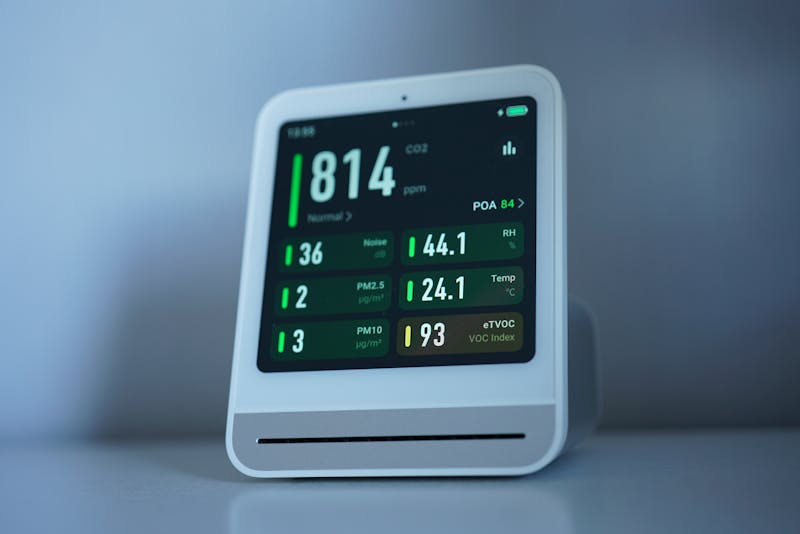
Wearable devices estimate sleep duration and disturbance, providing a record that supports scheduling decisions. Their stage-by-stage estimates are less reliable than their totals.
Excessive focus on the data can itself disturb sleep, a pattern practitioners have observed often enough to raise it directly with athletes.
Persistent sleep difficulty is a clinical matter with several possible causes and should be assessed by a qualified professional rather than managed through devices alone.